
If you want to learn new skills after 40 without going back to school, the good news is that it’s completely possible with a practical and flexible approach.
But the reality is very different.
In today’s digital world, you can learn practical, valuable skills without classrooms, exams, or expensive education. More importantly, you can do it in a way that fits your life, your schedule, and your goals.
If you’re wondering how to learn new skills after 40 without going back to school, the answer is simpler than you think—it’s about using a smarter, more practical approach.
Why Learning After 40 Is Actually an Advantage
One of the biggest misconceptions is that learning gets harder with age. In reality, you bring advantages that younger learners often lack.
You are more focused, more disciplined, and more intentional with your time. You also have real-world experience, which helps you understand concepts faster and apply them more effectively.
Instead of learning for the sake of passing exams, you learn with a clear purpose. That alone can accelerate your progress significantly.
A Smarter Way to Learn New Skills After 40
The traditional education system is not the only path anymore. Today, learning is more flexible and practical, especially if your goal is to build income, start a business, or change direction.
The key is not to learn everything—it’s to learn what matters.
Start by choosing a skill that connects to your goals. This could be something that helps you earn income, improve your career options, or support a business idea. When your learning has a purpose, it becomes much easier to stay consistent.
Once you’ve chosen your direction, avoid trying to master everything at once. Break the skill into smaller parts and focus on one element at a time. This reduces overwhelm and allows you to build confidence as you progress.
This is exactly how you can learn new skills after 40 without going back to school in a way that fits your life.
Focus on Practical Learning, Not Theory
One of the biggest mistakes beginners make is spending too much time consuming information without applying it.
Reading, watching tutorials, and studying are useful—but they are only the first step.
Real progress comes when you start using what you learn.
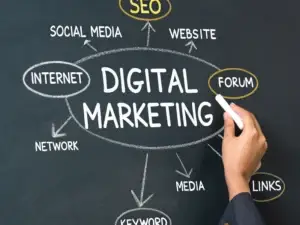
For example, instead of just learning about writing, start writing. Instead of only studying digital marketing, create a simple project and experiment. Instead of waiting until you feel “ready,” begin with small, imperfect actions.
This practical approach is what turns knowledge into real skills.
Build a Simple and Consistent Learning Routine
You don’t need hours every day to make progress. In fact, short and consistent sessions are often more effective.
Even 20 to 30 minutes per day can lead to meaningful improvement over time. What matters most is consistency.
When learning becomes part of your routine, it stops feeling like a big effort and starts becoming a natural habit. Over weeks and months, those small sessions compound into real capability.
Overcoming Common Challenges
It’s normal to face obstacles when learning something new, especially while balancing work, family, and responsibilities.
Lack of time is one of the most common barriers. The solution is not to find more time, but to use small, focused time blocks consistently.
Fear of failure is another challenge. Many people hesitate to start because they don’t want to get things wrong. But mistakes are not a sign of failure—they are part of the learning process.
And then there’s the belief that it’s “too late.” This is often the biggest limitation, but it’s also the least accurate. Your experience is not a disadvantage—it’s a foundation you can build on.
What Skills Make the Most Sense After 40?
While you can learn almost anything, it’s often smarter to focus on skills that are practical, flexible, and aligned with your goals.
For example:
- digital marketing
- writing and communication
- consulting or coaching
- project management
- online business skills
These types of skills can be applied quickly and can open the door to income opportunities, flexibility, and independence.
A Simple Strategy That Works
Instead of trying to do everything at once, keep your approach simple:
- choose one skill
- learn the basics
- apply it immediately
- improve through practice
This approach may feel slow at first, but it is far more effective than jumping between different topics without direction.
Final Thoughts
Learning new skills after 40 without going back to school is not only possible—it’s often more effective than traditional education when done correctly.
You already have the discipline, experience, and perspective needed to succeed. Once you combine that with focused learning and real-world application, progress becomes inevitable.
Start small, stay consistent, and build from there.
🔗 Next Step
If you want to turn your new skills into income, read:
👉 How to Monetize Your Knowledge Online After 40 (Beginner’s Guide)
FAQ: Learning New Skills After 40
Is it harder to learn after 40?
Not necessarily. Focus, discipline, and life experience often make learning more efficient.
Do I need formal qualifications?
No. Many valuable and income-generating skills can be learned without degrees.
How long does it take to see results?
With consistent effort, you can see noticeable progress within a few months.
What if I feel overwhelmed?
Break the process into smaller steps and focus on one thing at a time.